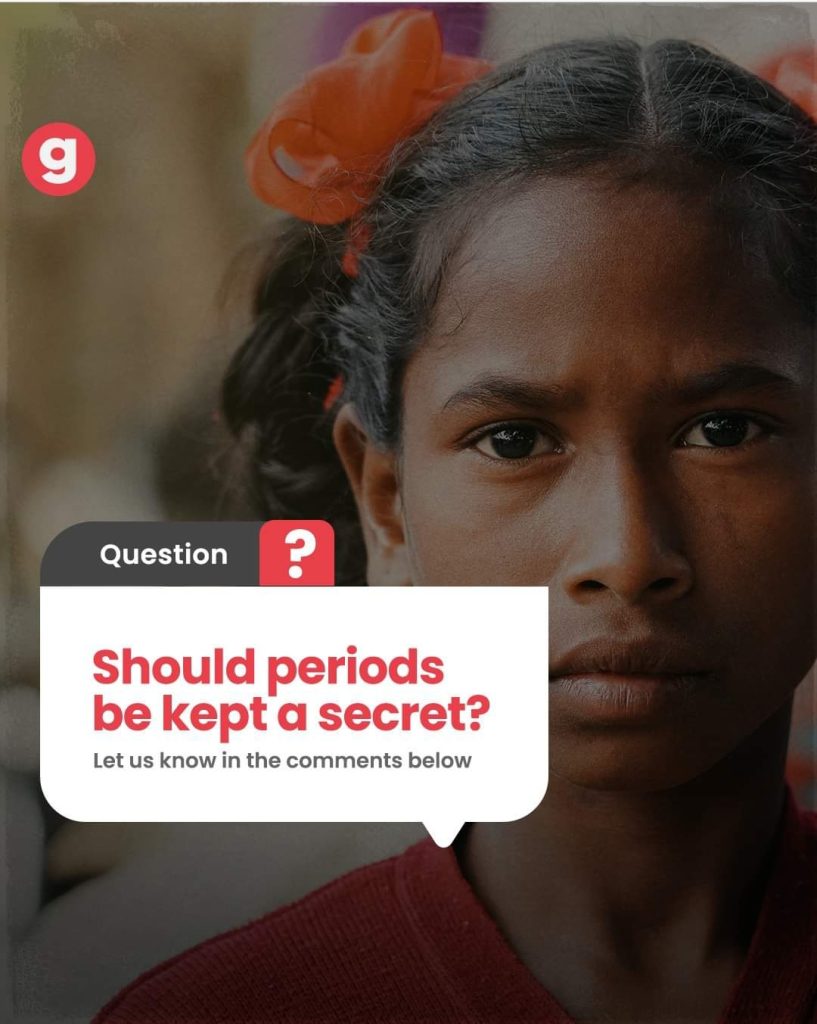
The Invisible Wall: Why We Need to Talk About the Silent Harassment Girls Face at School

The Invisible Wall: Why We Need to Talk About the Silent Harassment Girls Face at School
We are all familiar with the official school rulebook on bullying. We have heard the warnings a thousand times: no insults, no cyberbullying, and no physical fighting. Yet, the biggest daily stress girls actually face is kept completely in the dark—an issue our standard school policies totally fail to mention. It leaves no physical marks, it uses zero words, and it completely flies under the teachers’ radar.
It is called non-verbal sexual harassment—and it includes things like creepy staring, intentional blocking of space, and suggestive gestures.
For millions of adolescent girls, dealing with this is just a normal, exhausting part of a regular Tuesday. Because it is wordless, girls are often expected to just laugh it off, ignore it, or silently tolerate it. But just because it is quiet doesn’t mean it doesn’t hurt. In fact, the mental stress it causes is incredibly heavy.
The Everyday Scripts of “Silent Tolerance”
To understand why this is so draining, we have to look past policy definitions and look directly at the exact moments that play out every single day in school hallways, classrooms, and buses:
-
- Spatial Intimidation: You are walking down a narrow corridor to get to your next class. A group of peers is standing right in the middle. As you approach, they don’t part ways. Instead, they stand perfectly still, cross their arms, and watch you, forcing you to awkwardly squeeze past them or dodge out of the way. No one touches you, and no one says a word, but the deliberate trapping of your physical space sends a clear message: You do not own your movement.
- The “Elevator Eyes” Scan : You walk into a classroom or step onto the school bus. Someone deliberately locks eyes with you, then slowly tracks their gaze down your entire body and back up again. It takes only three seconds, and it happens completely in silence. But it instantly leaves you feeling totally exposed, self-conscious, and uncomfortable in your own clothes or uniform.
- Intimidating Proximity : You are sitting at your desk trying to do your classwork. A peer comes and stands uncomfortably close to you—leaning over your shoulder just enough that you can feel their physical presence, staring down at your paper or your uniform. When you glance up, they don’t look away; they hold the stare with a smirk. If you complain, you worry people will say you are “imagining things.” So, you pull your shoulders in, shrink your posture, and silently try to focus.
- The Flash Screen: Someone sits across from you at a library table and purposely angles their phone screen so you can see a sexually explicit or highly inappropriate image they are watching. They don’t say “look at this,” and they don’t text it to you. If a teacher walks past, they quickly flip the phone over. You are left feeling shocked and uncomfortable, but you have absolutely zero proof to report it.
The Internal Brain Loop: The Mental Stress of the Unsaid
Why do these wordless moments cause so much anxiety? Because non-verbal harassment is a psychological trap. It weaponizes a girl’s own self-doubt against her.
If someone calls you a mean name or pushes you, the boundary line is clear. You know they did something wrong. But when harassment is silent, your brain enters an exhausting loop of secondary guesswork: “Did I misread that? Am I just being too sensitive? If I tell a counselor or my parents, will they think I’m making a big deal out of nothing?”
Locking all that stress inside causes real emotional and academic distress:
-
- Hyper-Vigilance: Girls start mapping out their entire school day around avoiding certain stairwells, corners, or seating arrangements. Constantly scanning your environment to stay safe triggers survival mode, leading to chronic anxiety, mental exhaustion, and trouble sleeping.
- The “Shrinking” Effect: To avoid drawing creepy stares, girls often change how they dress, how they walk, or how loudly they speak. You start trying to make yourself invisible. This constant shrinking directly damages your self-esteem and your confidence.
- Zoning Out in Class : It is physically impossible to focus on a math equation or a history lesson when your brain is entirely occupied by the fact that someone is leering at you from three rows away. This silent stress is a major, hidden reason behind sudden drops in grades and school absenteeism.
Breaking the Silence Together::
The most dangerous thing about non-verbal harassment is that it makes you feel completely isolated—like you are the only one dealing with it. But you aren’t.
We need to start calling these actions what they actually are: a violation of your personal space and boundaries. If a classmate’s behavior makes you feel unsafe, objectified, or trapped, you are not overreacting.
As students, we need to look out for each other. If you see a friend getting cornered in a hallway or subjected to a creepy stare, step in. Sit next to her, start a random conversation, or walk with her to class. By talking about the things that go unsaid, we can take away the power of the silent bully and build a school environment where everyone actually feels safe to walk down the hall.
You Are Not Alone: Connect With WinnersClub
The heaviest part of silent harassment is carrying the secret by yourself. If you are experiencing any of these behaviors at school, on the bus, or in your neighborhood, please know that you do not have to handle this in isolation. It is completely normal to feel confused, stressed, or hesitant to approach a teacher or parent right away.
If you are facing these hidden pressures and find it difficult to share with the people around you, you can always share your story with WinnersClub.
WinnersClub is a safe, supportive, and judgment-free space created specifically to listen to you, validate your experiences, and help you regain your confidence. You don’t have to shrink yourself or hide. Reach out to WinnersClub today—because your safety, your peace of mind, and your voice matter.